
JAPAN · ITINERARY · BY LAURA
Japan 2-week itinerary: what to do in 14 days?
Two weeks to marvel at Tokyo’s lights, slow down in a Hakone ryokan and wander Kyoto’s narrow streets… Here is a suggestion for 14 days on the ground and 13 nights: Tokyo 5, Hakone 2, Kyoto 4 and Osaka 2. I’m Laura: I help you choose the stops and experiences that feel right for you, with warmth, care and availability. The aim is to build confidence, feel supported and enjoy discovering Japan. An airport welcome and local guides can complement your stay on request.
TOKYO → HAKONE → KYOTO → OSAKA
Your itinerary at a glance
14 days in Japan · 13 nights · 4 accommodation bases
Day 14: departure from Kansai. Visit Nara as a day trip from Kyoto.
Two weeks beyond the main route: an alternative ↓Which route works for a first two-week trip?
For a first visit, I suggest a few bases where you can settle in. This example assumes arrival in Tokyo and departure from Kansai, near Osaka. International flight days are excluded: check your actual arrival and departure dates before counting nights. Visit Nara from Kyoto without changing hotels. Hakone adds a break between the big cities; we can replace it if hot springs are not your thing.
Days 1 and 2 — Arrive in Tokyo and settle in
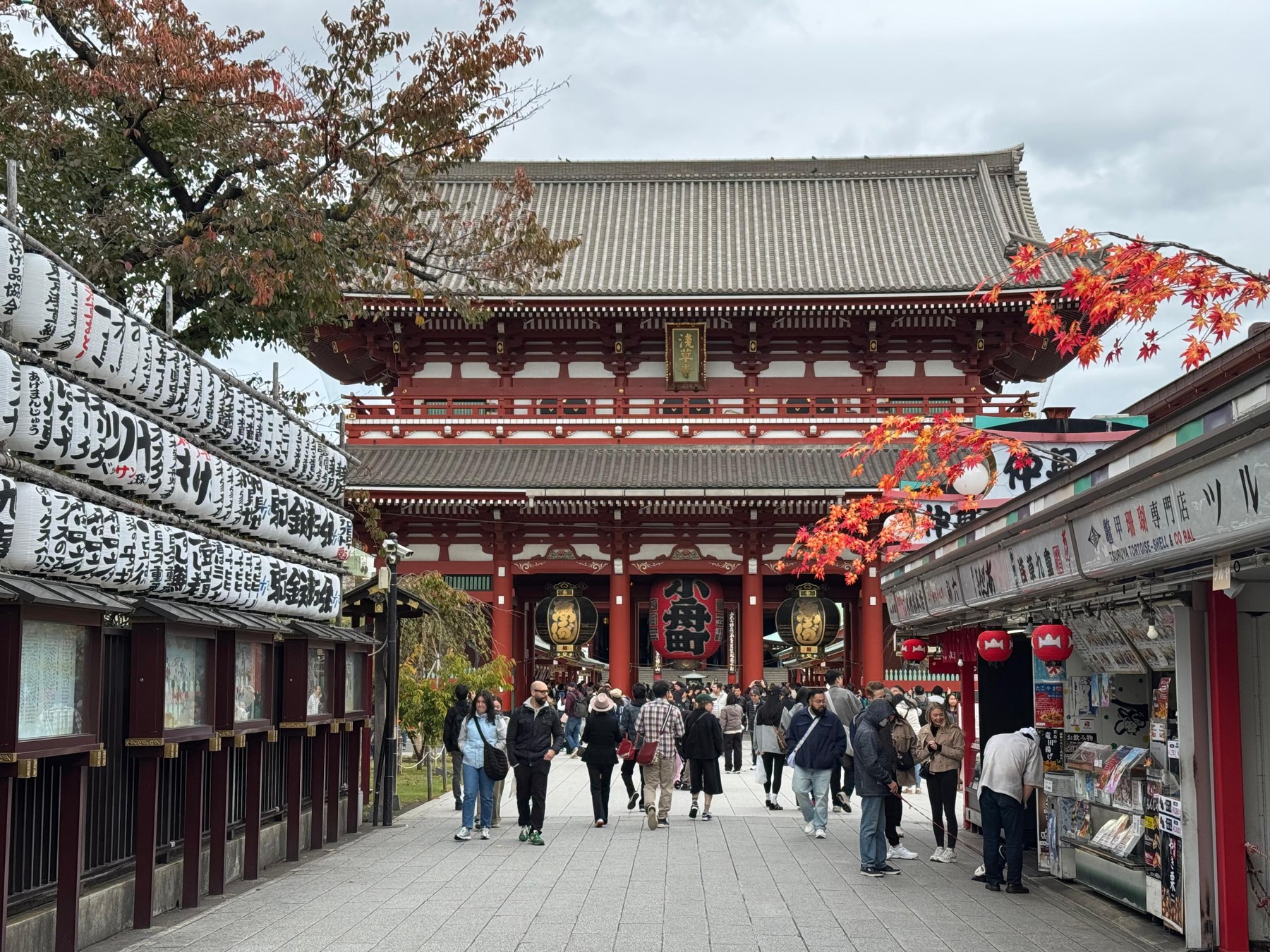
Day 1: reach your hotel, leave your bags and plan only a neighbourhood walk and a good meal. Depending on your arrival, an airport welcome can help you start comfortably. Day 2: explore Asakusa and the Sumida riverside, then Ueno if you feel like it. Avoid an essential timed booking on arrival day: flexibility helps with jet lag.
Days 3 to 5 — Enjoy Tokyo and choose a day trip
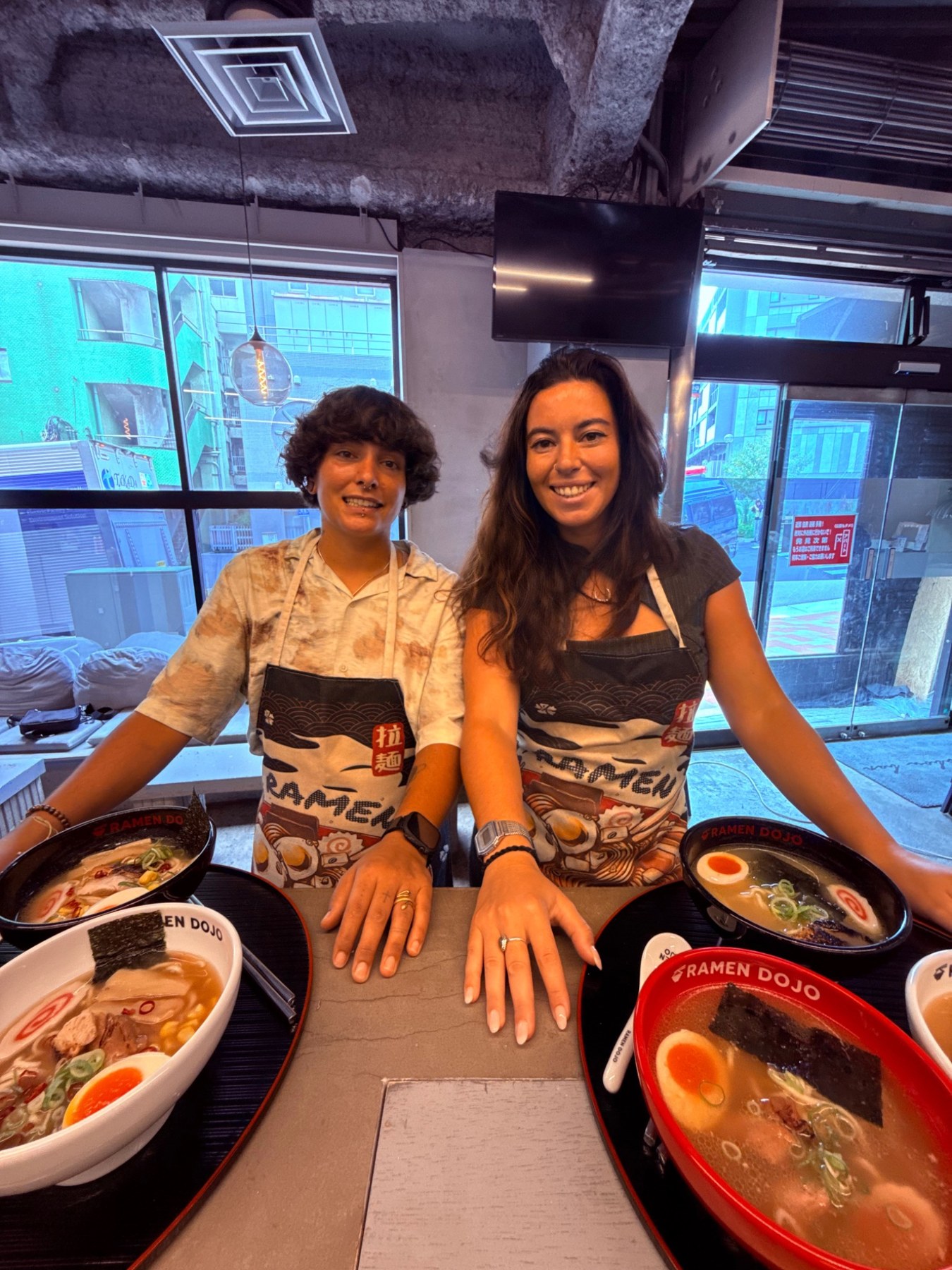
Day 3: combine Meiji-jingū, Harajuku side streets and Shibuya, with a café or garden break. Day 4: choose an experience you love: making ramen noodles, carving a hanko with an artisan or exploring favourite neighbourhoods. Day 5: choose seaside Kamakura or stay in Tokyo to wander and shop. These are alternatives, not a checklist: a workshop replaces some sightseeing and depends on availability.
Days 6 and 7 — Hakone: two nights to slow down
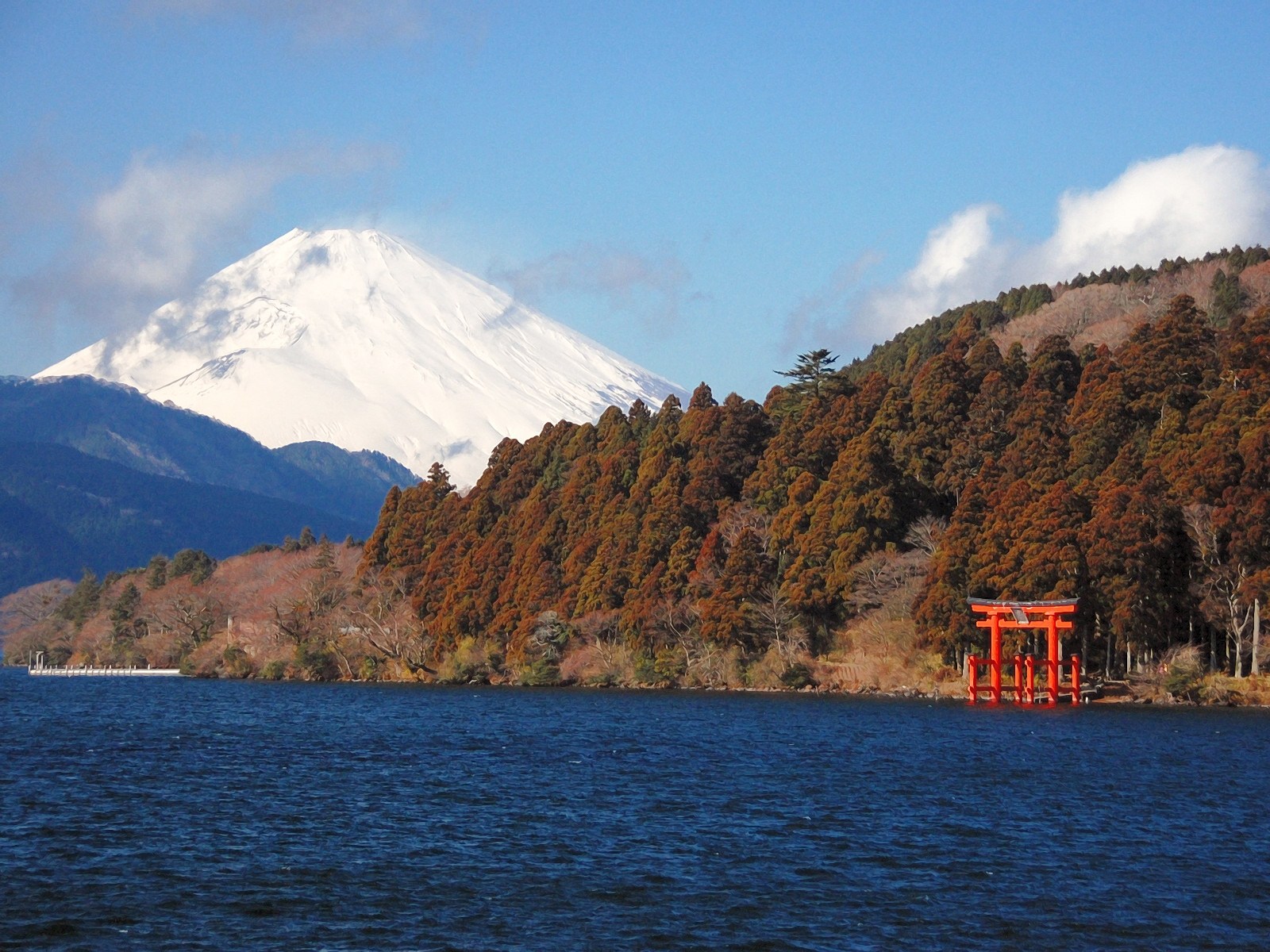
Day 6: travel to Hakone, settle in and enjoy the calm. A ryokan dinner can be a highlight; check arrival deadlines, bedding and meal inclusions before booking. Day 7: choose a few sights around Lake Ashi or a museum, depending on weather and operating transport. Mount Fuji views are never guaranteed. If you have tattoos, we check bathing rules or look for a suitable private bath.
Days 8 and 9 — Kyoto: neighbourhoods before mileage
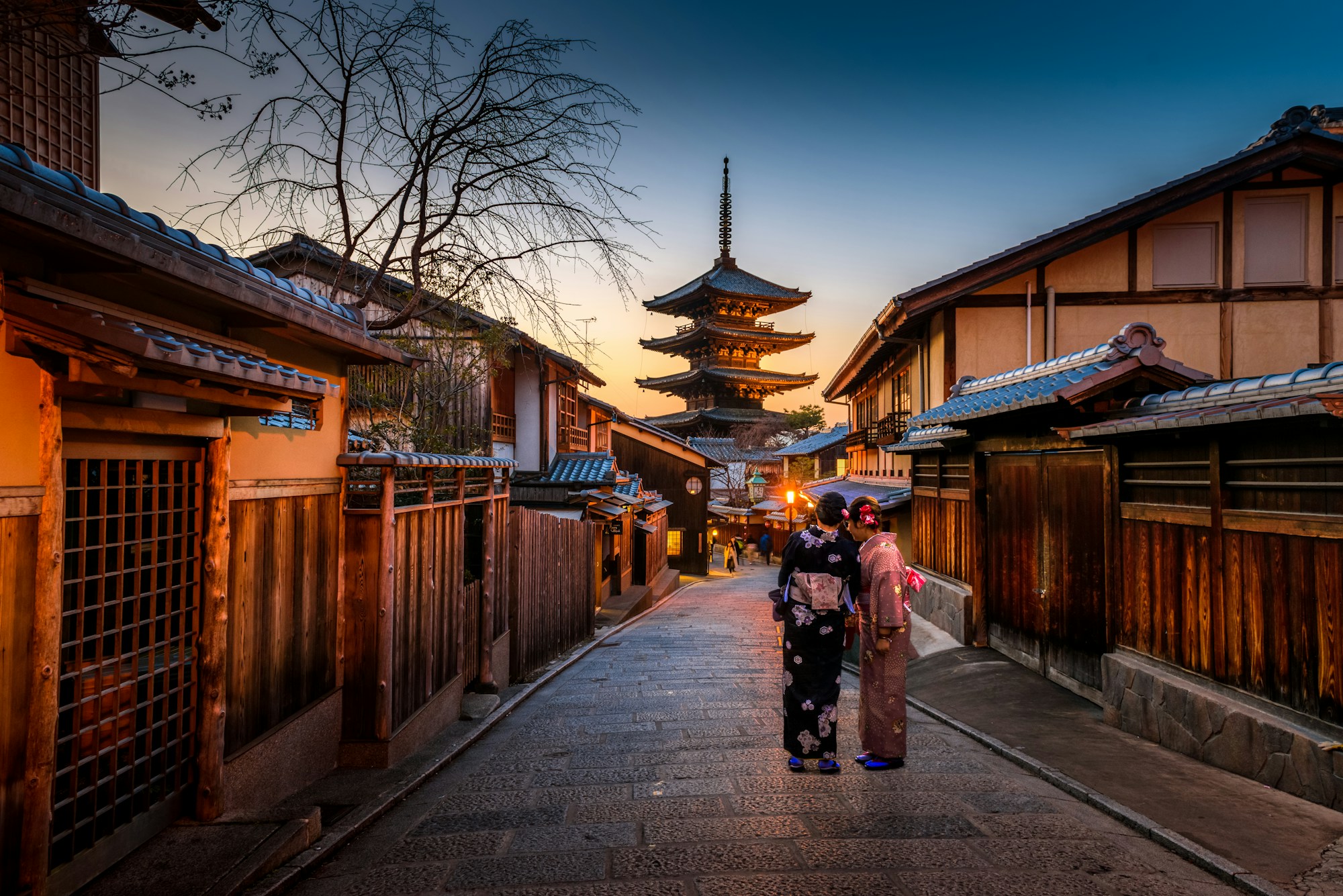
Day 8: travel to Kyoto and, time permitting, take a gentle first walk in Higashiyama. Day 9: explore the area further, perhaps visiting Kiyomizu-dera and stopping at a tea house. I prefer grouping sights by area rather than crossing the city between temples. A well-located hotel matters as much as its charm when avoiding tiring transfers.
Days 10 and 11 — Nara and one more day in Kyoto
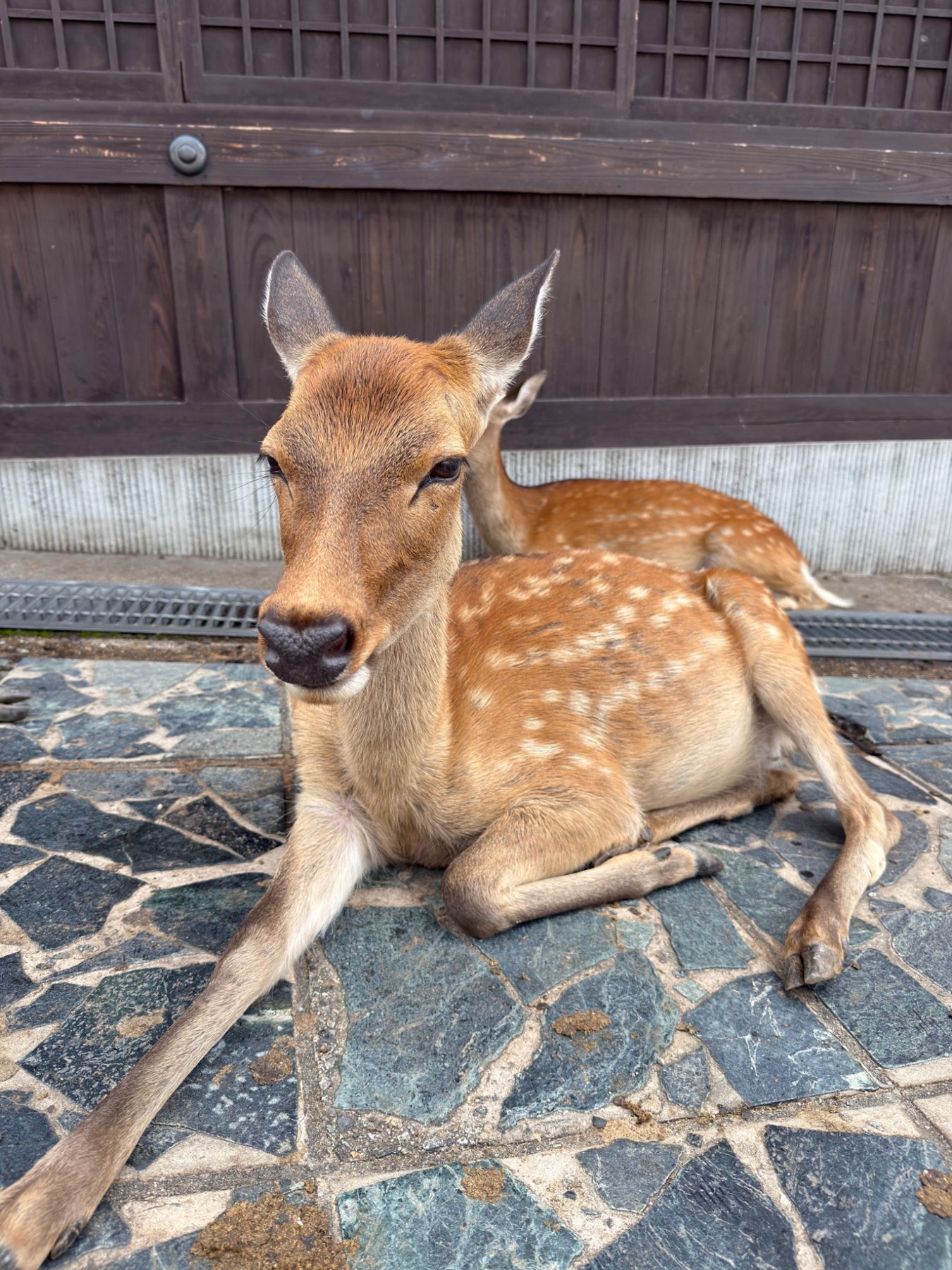
Day 10: visit Nara, walk through the park and choose sights such as Tōdai-ji. Deer are wild animals: keep a respectful distance, do not chase them and use only designated deer crackers if feeding them. Return to Kyoto overnight. Day 11: choose Fushimi Inari and its torii gates, or greener Arashiyama. Keep part of the day free instead of combining these distant areas.
Days 12 to 14 — Osaka and an unhurried departure
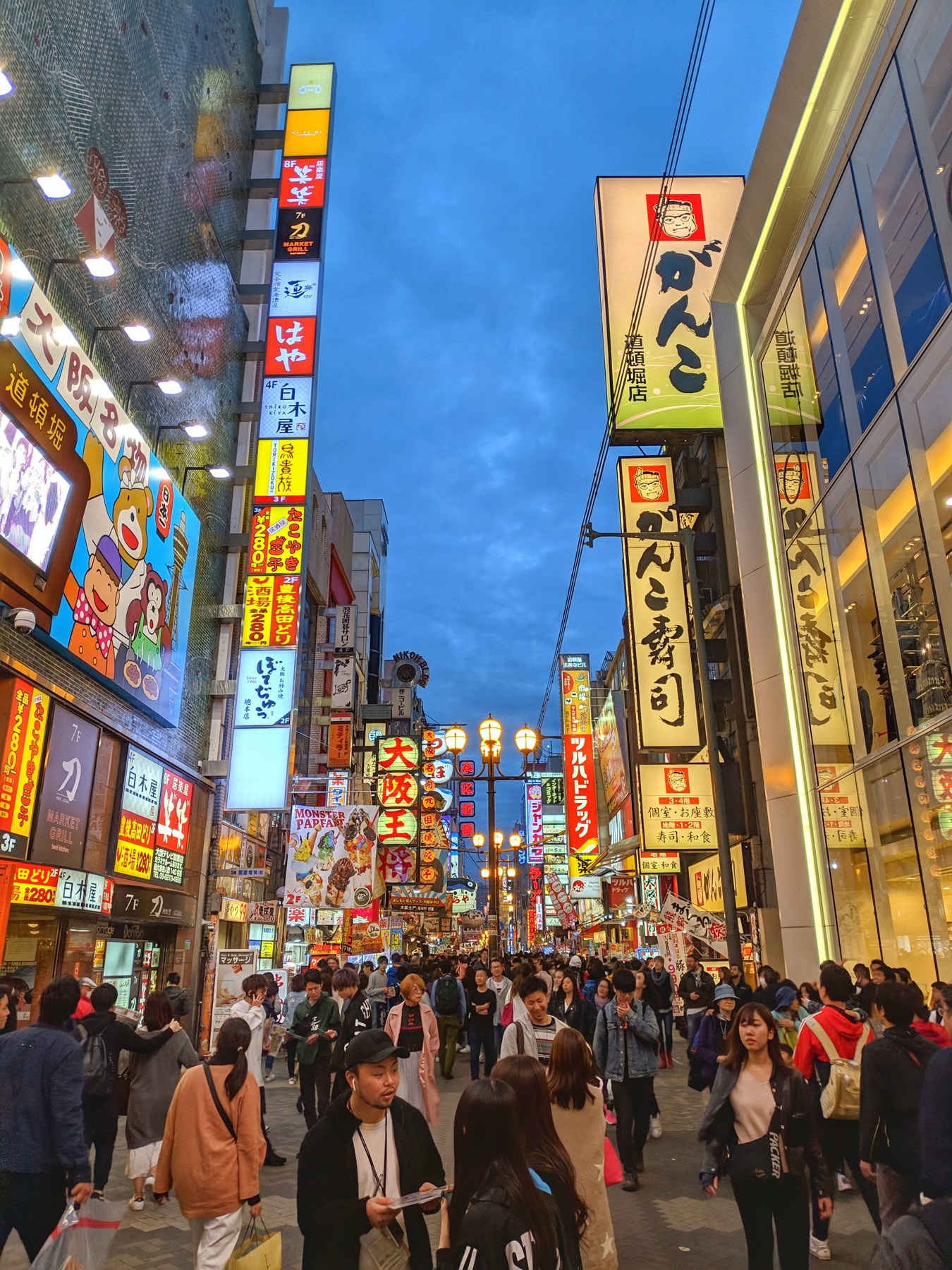
Day 12: settle in Osaka, explore Namba and enjoy dinner around Dōtonbori. Day 13: leave room for a market, a walk, shopping and packing. Day 14: travel to Kansai Airport according to your flight time. If you fly home from Tokyo, adapt the route: return there the previous day, for example by removing one Osaka night. I do not suggest relying on a long intercity journey on the day of an international flight.
Two weeks beyond the main route: an alternative
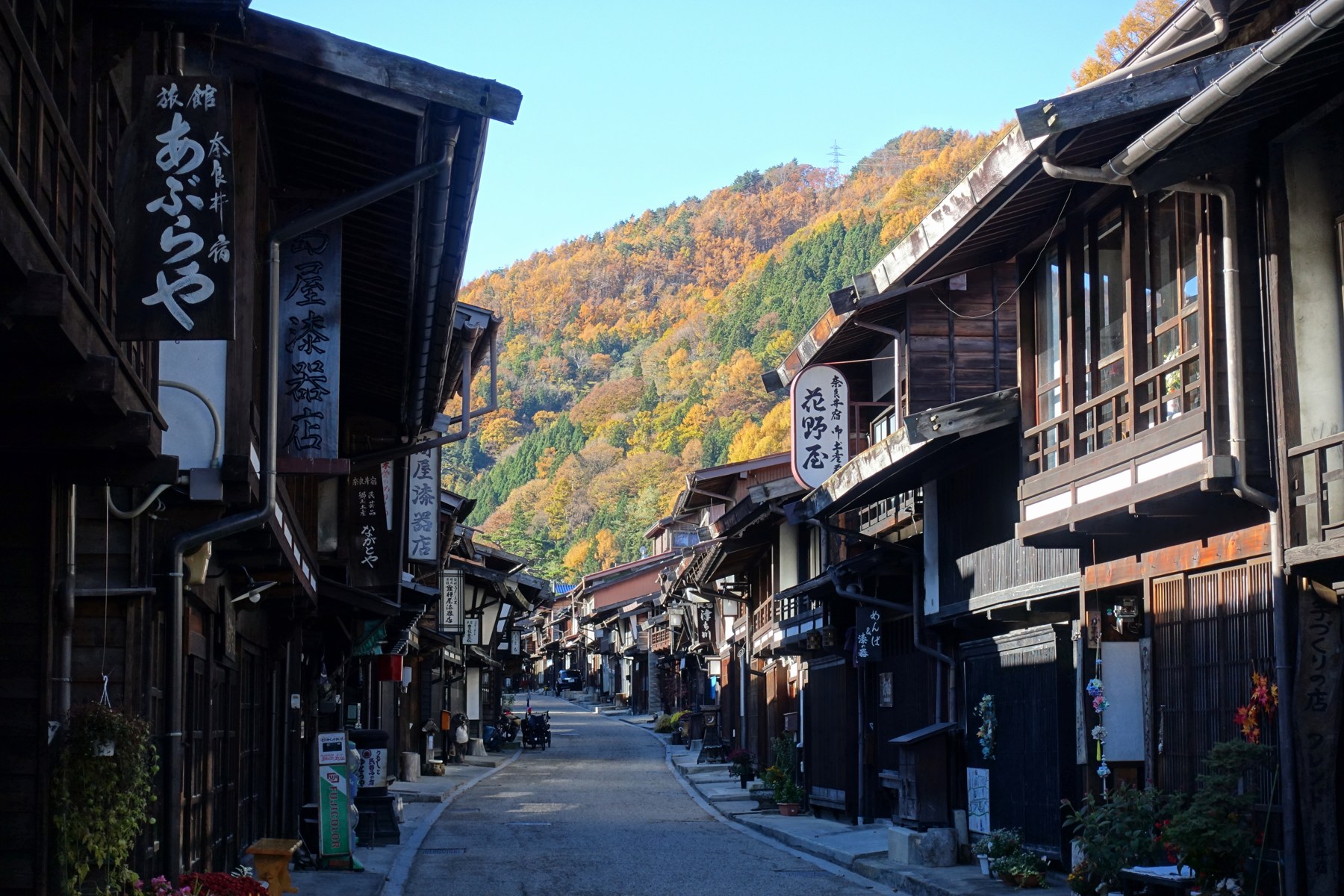
If walking, wooden houses and smaller stops appeal more, I can design another route: Tokyo 4 nights → Kiso Valley 3 nights → Kyoto 4 nights → Tokyo 2 nights, totalling 13 nights with departure from Tokyo. In Kiso, choose one or two bases, with Narai, Kiso-Fukushima or a walk around Magome and Tsumago depending on fitness, season and transport. This replaces Hakone and Osaka rather than adding to the classic route. These villages are well known, but staying overnight lets you enjoy a different atmosphere after day visitors leave.
Trains and luggage: making the route comfortable
Once the stops are set, compare tickets and passes against your actual journeys: the JR Pass is not automatically the best choice. Suica helps on many compatible local services but does not replace Shinkansen tickets. For Hakone, check the local pass against your selected activities. Luggage forwarding can make a ryokan stop lighter, provided delivery times and hotel acceptance are confirmed. Keep everything needed during delivery with you.
Getting around on your train itinerary
| Tokyo → Hakone | Train to Hakone-Yumoto, then local connections depending on your ryokan. |
|---|---|
| Hakone → Kyoto | Reach Odawara, then take a Shinkansen service stopping at Kyoto. |
| Kyoto → Nara → Kyoto | A day trip by train, without changing accommodation. |
| Kyoto → Osaka | A train connection; choose the station to suit your hotel. |
Timetables, connections and reservations are checked for your dates. A chauffeur transfer can be considered as an addition.
What budget for two weeks in Japan: affordable or exceptional?
There is more than one way to experience Japan. With a modest but realistic budget, we can prioritise simple, well-located hotels, public transport, small local restaurants and rewarding walks. A quiet Kyoto street, a bowl of ramen or a conversation can be a highlight. A larger budget can add a private workshop, local guide, an exceptional ryokan with a private onsen or chauffeur transfers. Dates and availability matter: flights, accommodation, transport and services still have a cost. Tell me your total budget and priorities; I help you decide where to treat yourself and where to keep things simple, separating flights, local expenses and planning support.
Japan 2-week road trip: can you travel without a car?
Searching for a “Japan 2-week road trip” to explore several destinations? This route works without a rental car. For a first journey between Tokyo, Hakone, Kyoto and Osaka, I prioritise trains and local transport. In Hakone, the location of your ryokan and the connections deserve special attention. A chauffeur can complement a transfer or a day when helpful, subject to your quote and availability. Enjoy a multi-stop journey with prepared stages and less logistics to manage.
Travelling solo without speaking Japanese: how to feel confident?
You do not need to understand everything about Japan before taking the leap. We take time to discuss your wishes and concerns. I offer a warm, approachable presence, a detailed travel book and practical guidance for journeys, arrivals and discoveries. The aim is for you to feel heard, supported and increasingly confident, leaving room for wonder. Contact methods, availability hours and the agreed support are specified before departure, so you know how to reach me and what to expect.
Can I include a local guide for some visits?
Yes, local guides can be arranged for selected stages, depending on your preferred language, dates and availability. A guided visit in Tokyo or Kyoto can give you initial bearings, a personal encounter and a different perspective. You can then continue independently or choose more guided experiences. We agree on duration, language, price and inclusions: the journey stays at your pace.
An airport welcome for a reassuring start
On request, we can arrange an airport welcome to help you find your bearings in Japan. Depending on the service selected, this can include explanations about trains, connections and your first journey, as well as help understanding the Suica card: topping it up, using it at ticket gates and recognising compatible journeys. Suica does not replace every ticket, notably Shinkansen tickets. Before departure, we specify the language, duration and included services, including any accompaniment to your accommodation. Ask your questions and start your journey feeling more confident.
Shall we turn these two weeks into your own trip?
You like this starting point but want fewer temples, more nature, a ramen workshop or a family-friendly pace? That is where my support makes a difference. I am Laura: I design your itinerary, help select suitable accommodation and prepare a detailed travel book with practical everyday guidance. Depending on your project, we can also arrange an airport welcome, guided encounters and assistance. Send me your dates, party size, approximate budget and three wishes to receive a tailored planning proposal and quote.
Further reading
JNTO — Préparer son itinéraire au Japon ↗
Hakone — Rejoindre Hakone et se déplacer sur place ↗