
JAPAN · 21-DAY ITINERARY · BY LAURA
Japan 3-week itinerary: 21 days, five bases and time to explore
Three weeks in Japan give you more room for what draws you in: neighbourhoods to wander, a nature stop, encounters or a few days somewhere you feel at home. This guide offers ideas for twenty-one days in the country. I am Laura: we choose what you would like to experience together, then I plan your trip with my local teams around your pace and budget.
In this articleChoose what interests you
- Why five bases instead of a different hotel every night?
- Days 1–3: Tokyo, arriving and finding your feet
- Days 4–6: your Tokyo, between a workshop and a day trip
- Days 7–8: Hakone, two nights at a different pace
- Days 9–11: Kyoto, exploring a few neighbourhoods properly
- Days 12–14: Nara, then days to make your own
- Days 15–17: Hiroshima and Miyajima, without another hotel
- Days 18–21: Osaka, enjoying the end of your journey
- A nature alternative: replace stops rather than adding everything
- What budget should you plan for three weeks in Japan?
- Which accommodation suits a 20-night stay?
- Do you need a JR Pass for 21 days?
- When should you go, and how should the route change with the season?
- Can you follow this itinerary as a family or solo?
- What if these three weeks became your journey?
TOKYO · HAKONE · KYOTO · HIROSHIMA · OSAKA
21 days in Japan: the route at a glance
21 days in Japan · 20 nights · 5 bases
Day 21: departure from Kansai. Visit Nara and Miyajima on day trips. International travel nights are not part of these 20 nights.
Prefer a nature-focused alternative?Why five bases instead of a different hotel every night?
A night is not a full sightseeing day: checking out, reaching the station, travelling and settling in take time. This outline gives each base several nights, with Nara and Miyajima as day trips. You can replace Hiroshima with somewhere closer to reduce longer journeys. Count days from your arrival in Japan; international flights may add days to your time away.
Days 1–3: Tokyo, arriving and finding your feet
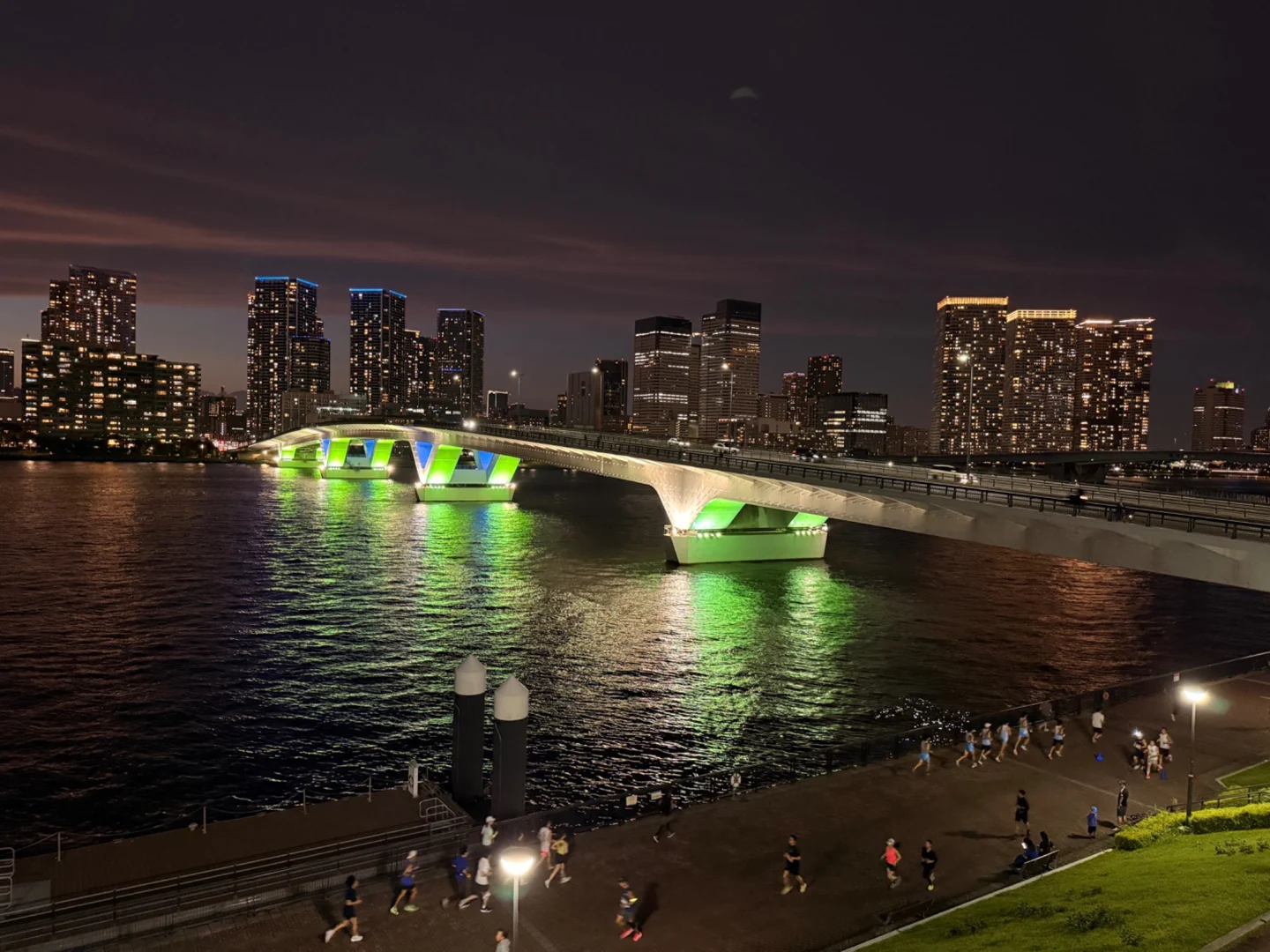
Day 1: leave your bags and keep to a walk near your hotel. An airport welcome can be arranged on request. Day 2: take time in Asakusa and around the Sumida River. Day 3: choose Meiji-jingū, Harajuku and Shibuya, with breaks. We group visits by area rather than crossing Tokyo to tick off a list.
Important bookings come after arrival day.
Days 4–6: your Tokyo, between a workshop and a day trip
Day 4: make your noodles at a ramen workshop or create your hanko, subject to availability. Day 5: consider Kamakura, or another day in Tokyo if its neighbourhoods are your priority. Day 6: leave room for a garden, personal interests or shopping. A workshop replaces part of the sightseeing, rather than being added to an already full day.
We check language, location and content before booking.

Days 7–8: Hakone, two nights at a different pace
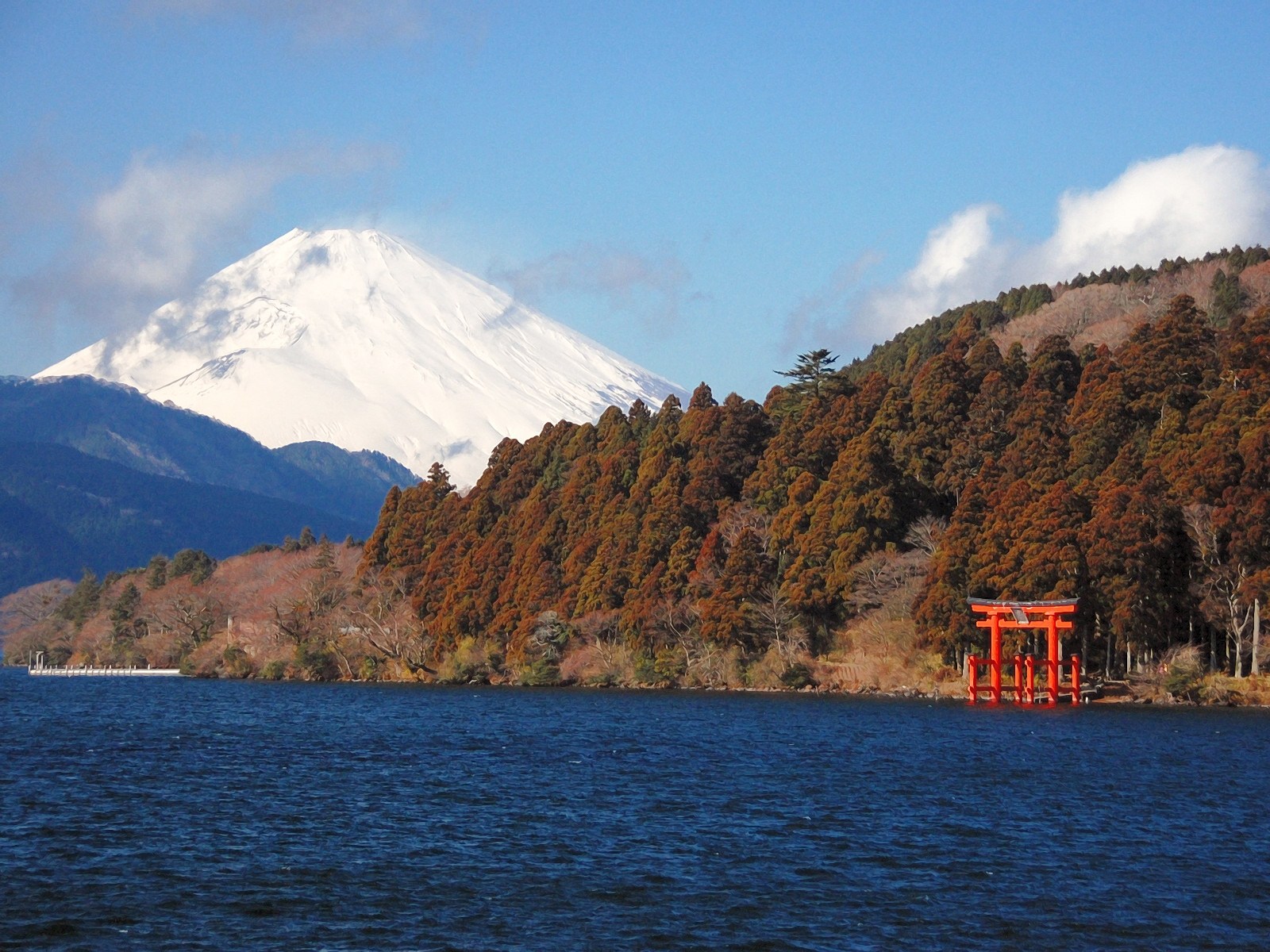
Day 7 is for travelling and settling in. If dinner is included at your ryokan, arrival time needs careful planning. Day 8 can combine Lake Ashi, a museum or rest, depending on weather and available transport. Mount Fuji is not visible on every visit. Mention tattoos and privacy preferences for bathing; rules and private-bath options must be checked with each property.
Days 9–11: Kyoto, exploring a few neighbourhoods properly
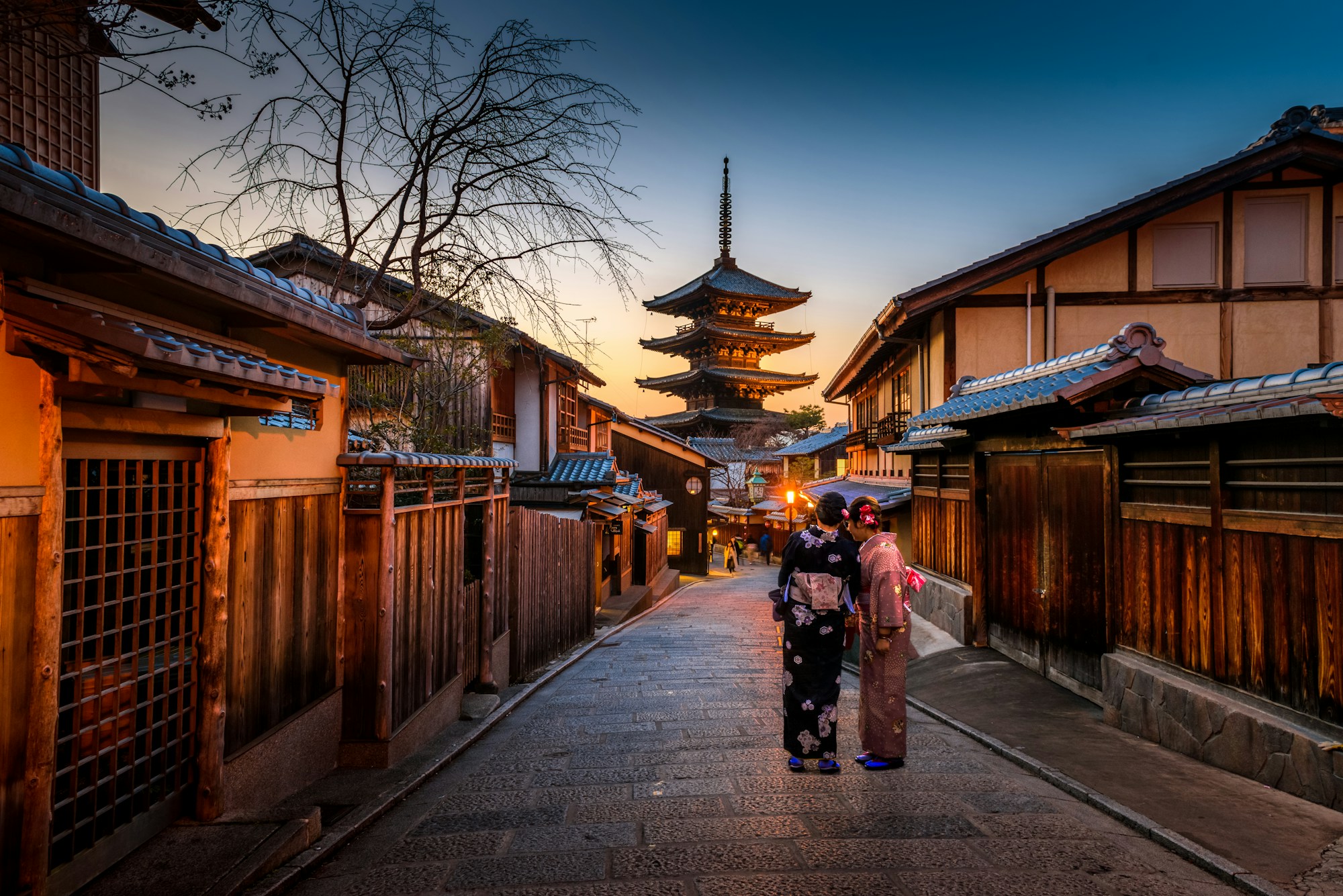
Day 9: travel to Kyoto and keep the first outing gentle. Day 10: explore Higashiyama, then choose a temple or a tea-house break. Day 11: give another area, such as Arashiyama, its own day rather than combining everything. A half-day with a local guide can provide orientation, depending on your wishes and availability. The rest of your stay can be independent.
Days 12–14: Nara, then days to make your own
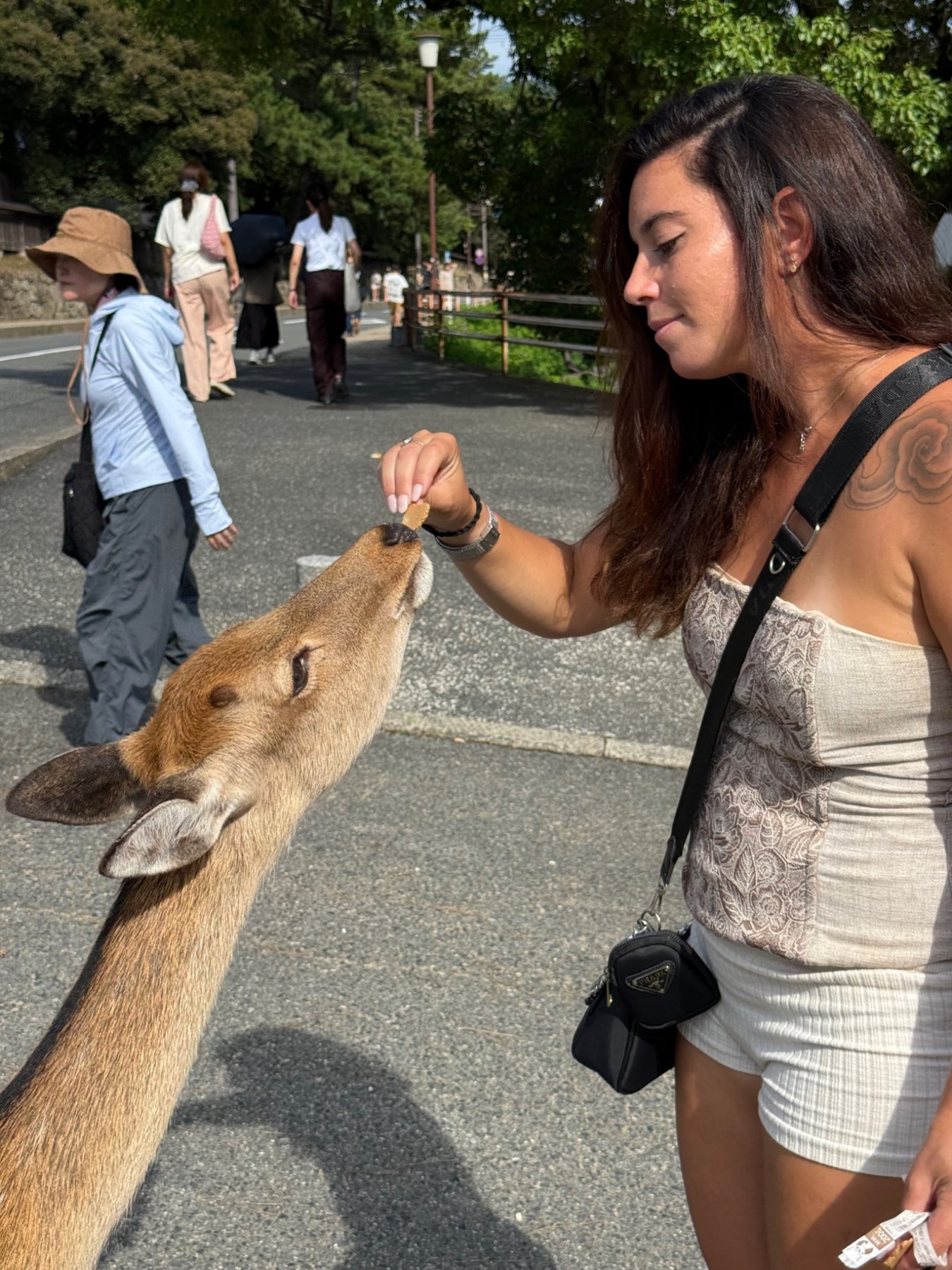
Day 12: visit Nara from Kyoto, returning to the same hotel. Day 13: choose Fushimi Inari or another discovery that appeals to you. Day 14: keep a freer day, or consider Uji if it interests you. With children or after several days of walking, this flexibility matters. A day trip can be replaced by a workshop, a garden or simply an afternoon of rest.
Days 15–17: Hiroshima and Miyajima, without another hotel
Day 15 includes the journey to Hiroshima and check-in. Day 16 can focus on the Peace Memorial Park and Museum, allowing space for that visit. Day 17 can be a return trip to Miyajima. We check trains and ferries around your accommodation and chosen day. If an island stay appeals, move a night from Hiroshima to Miyajima rather than adding another stop on top.
Days 18–21: Osaka, enjoying the end of your journey
Day 18: travel to Osaka and explore near your hotel. Day 19: make time for food, Namba or your own interests. Day 20: leave room for final shopping and packing. Day 21: depart from Kansai Airport. If your return flight leaves from Tokyo, adapt the plan: for example, move two Osaka nights to Tokyo before the flight.
Flight choices and the route should be planned together.
A nature alternative: replace stops rather than adding everything
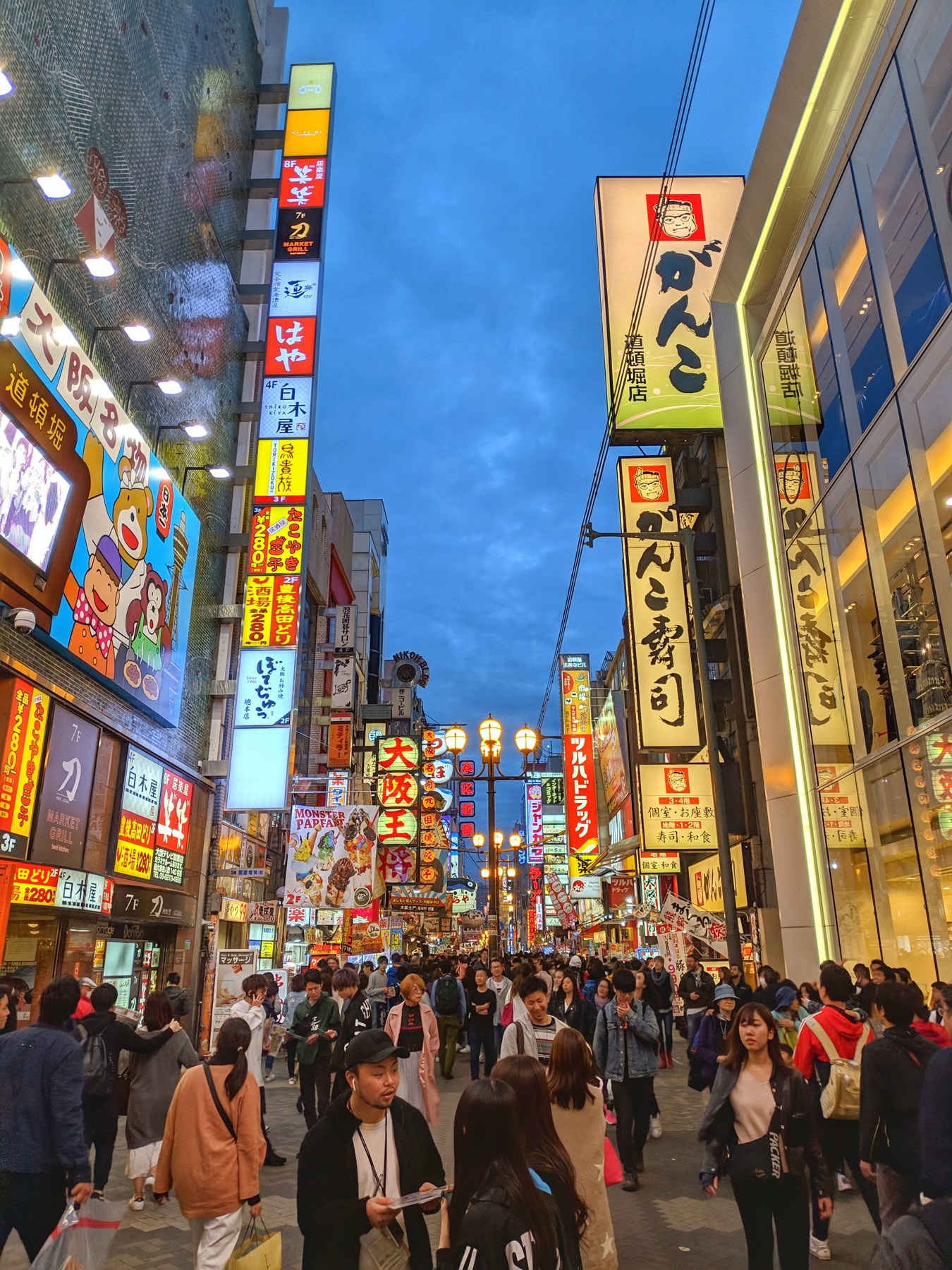
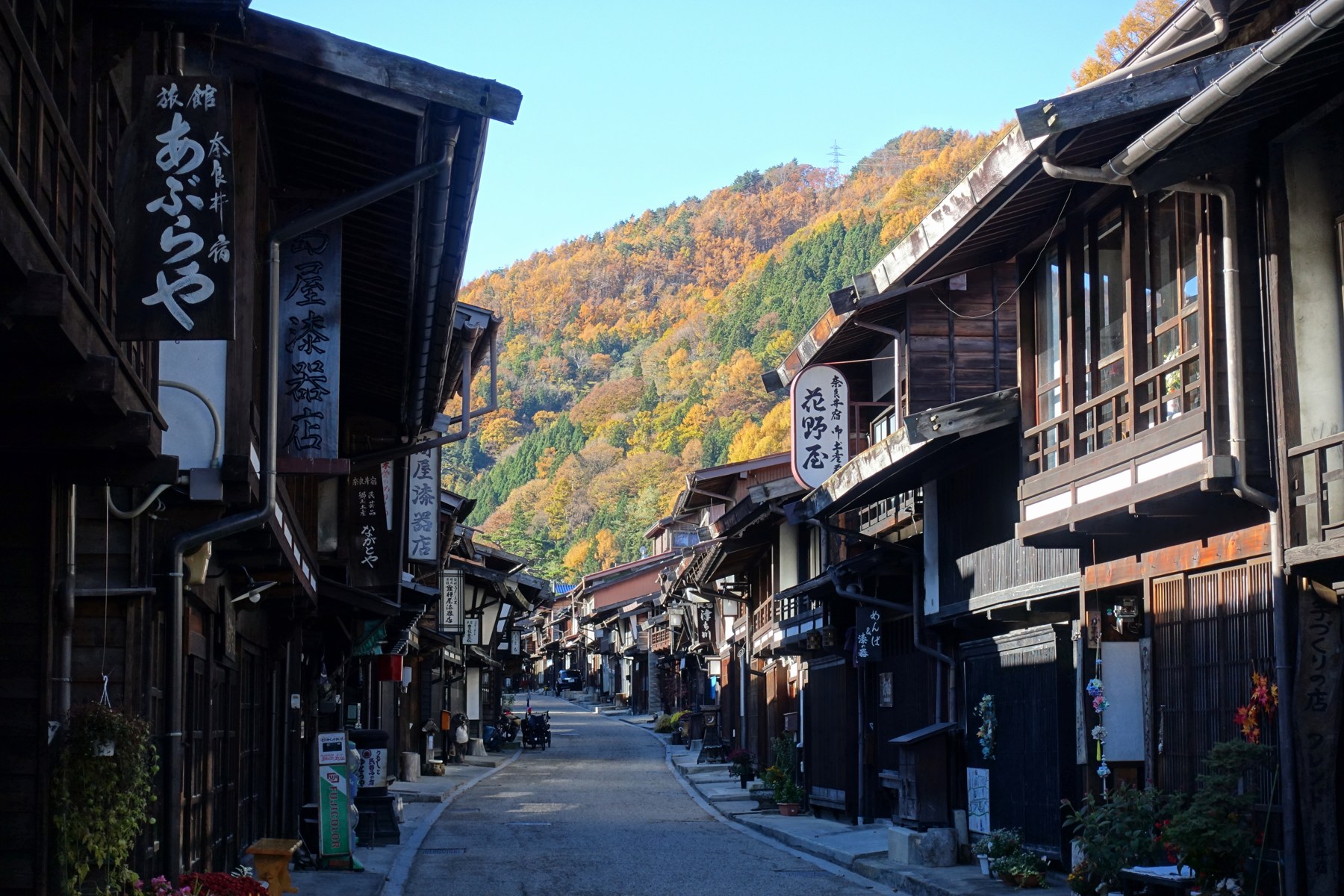
Prefer walks, gardens and smaller towns? Another possible allocation is Tokyo 5 nights, the Kiso Valley 3, Kyoto 6, Kanazawa 3 and Tokyo 3: still 20 nights. This replaces Hakone, Hiroshima and Osaka. In the Kiso Valley, bases and walks depend on your ability, the season and transport. The aim is to spend longer in places you enjoy, rather than go everywhere.
What budget should you plan for three weeks in Japan?
To compare proposals fairly, use the same number of nights and travellers. List flights, 20 nights, journeys between cities, local transport, meals not included, visits and experiences. Add planning support and a reserve for things you may want to do. Simple hotels with a few selected experiences cost differently from luxury ryokans and private guides.
I help you allocate your budget around your priorities rather than quote a single figure that hides those differences.
Which accommodation suits a 20-night stay?
Before star ratings, consider neighbourhoods, access, room size and bedding. Want a bed rather than a futon, a private bathroom or fewer stairs? Tell us from the start. One traditional stay can be a highlight without using that format throughout. Included meals, arrival times and bath rules should be clear when choosing accommodation.
Do you need a JR Pass for 21 days?
Trip length alone does not answer that question. First we plan journeys, then compare individual tickets with passes suited to the area and travel days. Suica helps with many compatible local journeys but does not replace every ticket. Luggage forwarding or a private transfer may simplify a stop, depending on your plans and quote. Transport should support your trip, rather than dictate it.
When should you go, and how should the route change with the season?
This outline needs adapting to your dates. The season changes landscapes, walking days and accommodation availability. Mountain stops and walks need planning around conditions. We check local information and openings before confirming and keep alternatives. For blossom or autumn colours, choose places and experiences you will enjoy even if nature’s calendar shifts.
Can you follow this itinerary as a family or solo?
Yes, by adapting days rather than imposing one pace on everyone. With children, we can reduce sightseeing and keep more time near the hotel. Solo travellers may find an airport welcome, a guide for a first visit and a detailed travel guide helpful. We also agree contact options and support before departure. Nathalie’s testimonial in our Japan collection describes what that support meant during her three weeks.
What if these three weeks became your journey?
Send me your dates, traveller numbers, approximate budget and what you would love to experience in Japan. Tell me about any worries too. With my local teams, I help choose stops, accommodation and experiences to build a stay you will enjoy. Bookings and payments go through our partner travel agency according to the services set out in your quote.
How does your journey with our team begin?
- Tell us your wishes, travel period and approximate budget.
- We refine the route and useful services together.
- You receive a personalised proposal and a quote detailing the services before committing.
Guides, transfers, experiences and support depend on the chosen plan and availability; they are specified in your quote.
Japan
More to explore in this destination
Tailor-made Japan travel: your itinerary, your encounters
First trip to Japan: travel with confidence, even without speaking Japanese
Solo female travel in Japan: plan your first trip with confidence